As global fuel markets face renewed volatility, policymakers in Pakistan are considering short-term measures to conserve energy, including expanding work-from-home arrangements to reduce daily commuting and fuel consumption.
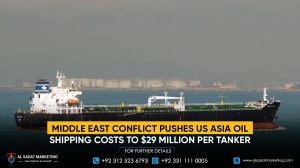
The discussion comes as tensions in the Middle East disrupt global energy markets and threaten shipping routes through the Strait of Hormuz. Although the waterway is only about 33 kilometres wide at its narrowest point, it carries nearly 20 percent of the world’s oil and LNG shipments each day.

Global oil prices have already risen sharply, with some estimates suggesting an 18 percent increase and a monthly average rise approaching 38 percent, the largest rally since 2022. The pressure is particularly significant for Pakistan, which relies heavily on imported energy.
Analysts estimate that between 70 and 80 percent of Pakistan’s crude oil imports and all of its LNG shipments pass through the Strait of Hormuz. Any prolonged disruption could quickly translate into higher fuel prices and tighter domestic supplies. Some projections suggest petrol prices could climb beyond Rs. 300 per litre if the crisis intensifies.
Even modest changes in international prices can have major macroeconomic consequences. Economists estimate that a five percent increase in global oil prices can widen Pakistan’s current account deficit by between $5 billion and $7 billion.
Transportation and Fuel Consumption
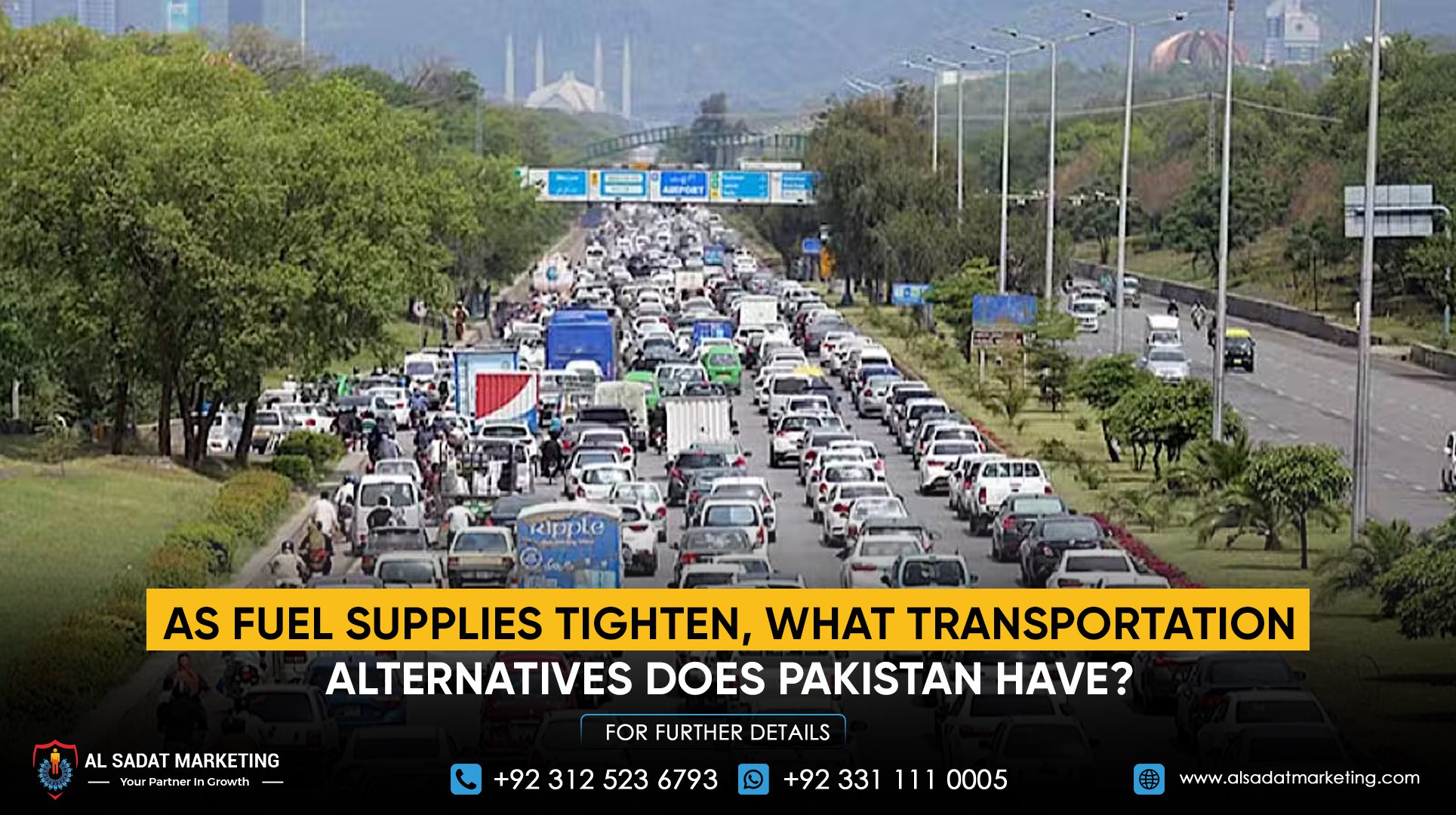
Transportation remains the country’s largest consumer of petroleum products. According to the Pakistan Economic Survey 2024–25, the transport sector accounts for nearly 80 percent of the nation’s petroleum demand.
Reducing commuting through remote work could therefore lower fuel consumption in the short term. However, this approach has clear limitations. Millions of workers in manufacturing, healthcare, logistics, retail, and delivery services depend on physical mobility and cannot work remotely.
When fuel supply disruptions occur, these sectors often feel the impact first. Higher petrol prices increase commuting costs, logistics expenses rise, and supply chain disruptions spread through the broader economy.
Structural Energy Dependence
Pakistan spends billions of dollars annually on petroleum imports. In the first half of 2025 alone, fuel imports reached approximately $7.98 billion. This heavy reliance exposes the economy to global price volatility and geopolitical shocks.
When international energy markets tighten, the effects ripple quickly through domestic inflation, raising transportation costs, electricity tariffs, and prices across supply chains.
These recurring crises have renewed debate about the need to reduce dependence on imported fossil fuels and move toward alternative mobility solutions.
Electric Mobility as a Long-Term Option
Electric mobility is increasingly viewed as a potential long-term solution to Pakistan’s transportation challenges. Unlike conventional vehicles that depend on imported petroleum, new energy vehicles can run on electricity generated domestically.
Global automakers such as BYD have already introduced electric vehicles in Pakistan, with a large portion of their product lineup focused on electric models designed for different consumer segments.
The shift toward electrification also aligns with Pakistan’s evolving energy mix. According to official data, the country has rapidly expanded renewable energy capacity, doubling generation from renewable sources during the first nine months of 2025.
By 2030, policymakers expect around 59 percent of Pakistan’s energy to come from sources such as hydropower, wind, and solar. Increasing the share of domestically produced renewable electricity could reduce dependence on imported fuels and improve long-term energy security.
At the same time, rooftop solar adoption has surged across the country, making Pakistan one of the fastest-growing solar markets globally. Many households and businesses are installing solar systems to reduce electricity costs and improve energy independence.
Challenges and Opportunities
Despite progress in renewable energy, the transition to electric mobility remains limited. Only about 450 electric buses are currently operating nationwide, and broader adoption of electric cars, motorcycles, and other vehicles is still at an early stage.
However, electric vehicles offer significant economic advantages. Electricity is generally cheaper than petrol on a per-kilometre basis, and electric vehicles typically have fewer mechanical components, resulting in lower maintenance costs over time.
For consumers, this means total ownership costs can be significantly lower than those of traditional petrol-powered vehicles.
Looking Ahead
Short-term conservation measures such as work-from-home policies may help reduce fuel consumption during periods of crisis. But long-term resilience will likely require a deeper transformation of Pakistan’s transportation and energy systems.
Expanding renewable electricity generation and promoting electric mobility could reduce exposure to global oil price shocks while strengthening economic stability.
In a world where geopolitical disruptions increasingly affect energy markets, building a transportation system powered by domestic energy sources may become a critical component of Pakistan’s long-term energy security.