When Field Marshal General Syed Asim Munir met Donald Trump at the White House in June last year, tensions around Iran were running high, with speculation growing that Israel, backed by the United States, could push for regime change in Tehran. Days after the meeting, however, the situation eased following Iran’s largely symbolic air strikes on a US military base in Qatar, allowing the Iranian government to remain in place. According to sources and circumstantial accounts, Pakistan’s army chief advised Washington against escalating the crisis, a move that may have helped prevent a wider conflict.
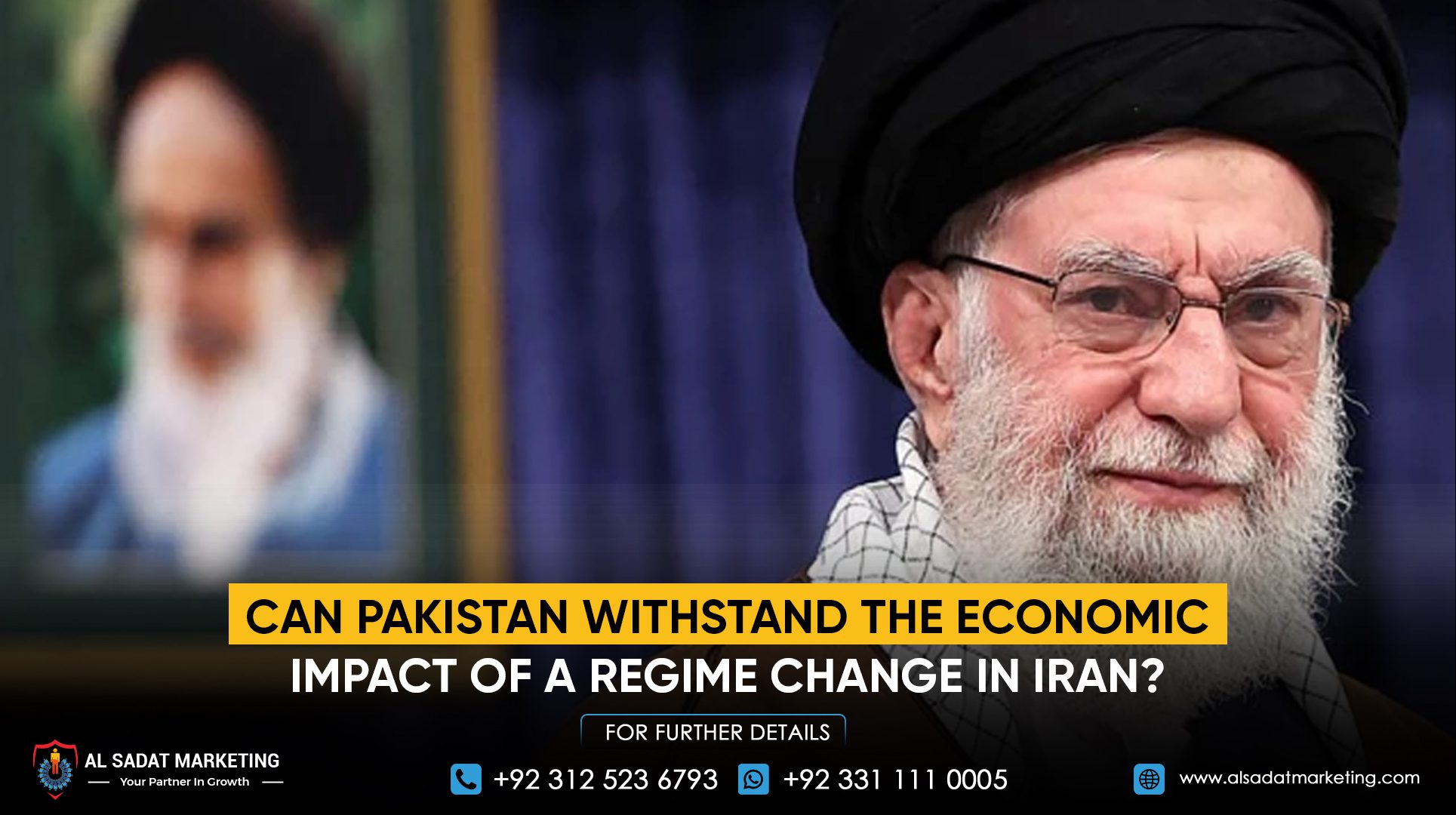
Now, as protests once again grip Iran and Trump issues renewed warnings of possible military action, Islamabad’s stance remains firm. Pakistan does not support regime change in Iran, with officials and analysts warning that such a move would carry catastrophic consequences for the region and for Pakistan itself.

Iran is a direct neighbour of Pakistan, sharing a nearly 900-kilometre border with Balochistan, one of Pakistan’s most sensitive and fragile provinces. Any instability across the border could quickly spill over, fuelling militancy, arms smuggling, refugee movements and economic disruption. Asif Durrani, a former Pakistani ambassador to Iran, said that any internal or external change in Iran would have an immediate impact on Pakistan, noting that Islamabad has previously played a role in easing tensions between Iran and the West and continues to monitor developments closely through its diplomatic engagement in Washington.
Security experts warn that instability in Iran’s Sistan-Baluchestan province, which shares ethnic and tribal links with Pakistan’s Baloch regions, could revive militant networks and undermine Pakistan’s hard-won counterterrorism gains. Former foreign secretary Johar Saleem said that during the last Iran-Israel confrontation, Pakistan strongly supported Iran’s sovereignty and territorial integrity, though he believes that the conflict weakened Iran internally, contributing to the political instability seen today. He cautioned that any form of external intervention, whether military, cyber, or economic, would only worsen the situation.
Pakistan’s concerns are not limited to security alone. The country already hosts millions of Afghan refugees, and a collapse or military intervention in Iran could trigger another wave of displacement, putting further strain on Pakistan’s borders, cities and social services at a time when the economy remains under pressure from IMF-linked reforms and fiscal constraints.
Analysts also point out that forced regime change in Tehran would have far-reaching implications beyond Pakistan, potentially intensifying proxy conflicts across the Middle East and drawing in regional powers such as China, Russia and Turkey. For Pakistan, which depends heavily on Gulf stability for energy supplies, trade and overseas remittances, the fallout could be severe.
Johar Saleem emphasized that dialogue and peaceful solutions are the only viable way forward, reflecting the sentiment of many in Pakistan who see themselves as well-wishers of Iran. He warned that the range of intervention options being discussed by the US and its allies, including military strikes or cyber operations, would only deepen Iran’s crisis and destabilize the wider region.
Despite differences with Tehran on certain issues, Islamabad’s position remains rooted in pragmatism. Pakistan believes Iran must remain stable, sovereign and intact, as the collapse of the Iranian state would pose a strategic disaster for Pakistan, affecting border security, refugee flows, regional power balances and its own diplomatic standing. As tensions rise once again, Pakistan is expected to continue quietly urging restraint, dialogue and solutions that preserve regional stability.