Car ownership in Pakistan has dropped sharply despite the entry of several new automobile brands, pointing to deep and long-standing problems in the country’s auto sector.
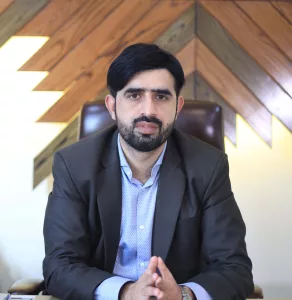
According to Indus Motor Company CEO Ali Asghar Jamali, the number of cars per 1,000 people has fallen from an already low 18 to just 11. He said the decline reflects weak purchasing power, slow income growth, unstable government policies, and a distorted tax structure that makes vehicles unaffordable for most people.

Jamali said that while the economy may appear calm on the surface, serious structural challenges remain underneath. These issues continue to suppress demand and keep Pakistan among the lowest car-ownership countries in the region.
He stressed that policy uncertainty is the biggest hurdle for the automobile industry. Frequent policy changes make it difficult for businesses to plan long-term investments in a sector where decisions are made for decades, not a few years. He said investors need certainty, regardless of the type of policy, to commit capital with confidence.
Despite the challenges, Jamali shared cautious optimism. He expects vehicle production to cross 275,000 units this year and believes output could gradually move closer to the record 350,000 units seen in 2021. He linked this outlook to slightly improved economic indicators and higher remittances.
Jamali confirmed that Indus Motor Company plans to introduce two to three new models in the near future. He said discussions are ongoing with investors to raise a few million dollars for the localisation of recently launched vehicles. However, he warned that without income growth and policy stability, overall market expansion will remain limited.
He emphasized that per capita income, not population size, is the real driver of car ownership. Pakistan’s per capita income, currently around $1,700, is far below the level needed for sustainable growth in automobile demand. He noted that global data shows car markets expand meaningfully only after per capita income crosses $3,000.
Jamali rejected the idea that a large population alone can create a strong auto market. He said that even with a population of 250 million, affordability will remain out of reach without income growth.
Comparing Pakistan with India, he pointed out that India’s per capita income is close to $2,700, while its annual car sales exceed four million units. He said India’s growth is driven by income levels, not currency movements, and once it crosses the $3,000 threshold, it will become one of the world’s largest auto markets.
He explained that Pakistan’s low production volumes prevent economies of scale. Automobile manufacturing is highly capital-intensive, and costs only come down when large volumes absorb investment. He added that India also benefits from easier access to raw materials and a strong local vendor base.
Addressing price comparisons between Pakistan and India, Jamali said such comparisons are often misleading. He said that once taxes are removed, prices for similar Toyota models are not drastically different. He added that mass affordability in India comes from high-volume manufacturers, not premium brands.
Jamali described Pakistan’s car market as highly segmented. Buyers below Rs5 million are extremely price-sensitive, where even small price changes can shift demand. Sensitivity decreases in the mid-range, while in the premium segment above Rs20 million, price plays a much smaller role.
He explained that many new brands target the premium segment because pricing power exists there, but volumes remain low. He warned that no automobile industry can survive on premium cars alone, as sustainable growth depends on strong lower-end demand.
Responding to criticism about limited innovation by local assemblers, Jamali said core vehicle design and technology are developed by global manufacturers with massive research budgets. Local assemblers contribute through localisation, vendor development, job creation, and technology implementation.
He added that Pakistan’s auto industry has helped build industrial capacity and skilled human capital, with many local professionals now finding opportunities abroad, especially in Gulf countries.
Jamali said the message is clear: without steady income growth and consistent policies, Pakistan’s automobile sector will continue to underperform, regardless of how many new brands enter the market.