
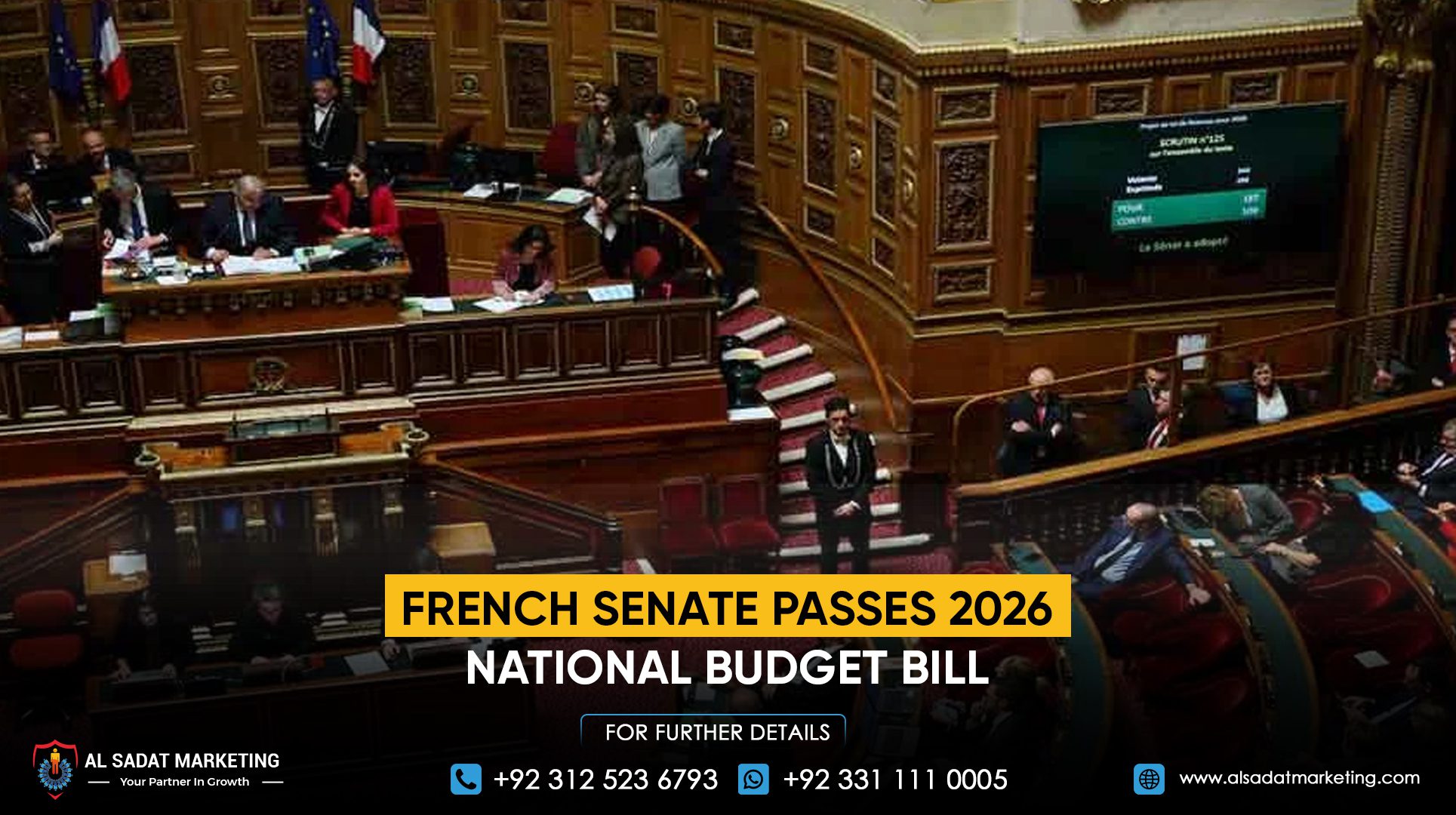
French senators on Monday approved the 2026 budget bill, paving the way for critical negotiations between the upper and lower houses of parliament later this week.
The conservative-led Senate passed the revised bill by 187 votes to 109 after making changes to the proposal, which had failed to clear the deeply divided lower house last month following the rejection of its tax measures. The Senate vote signals a degree of political backing for the budget but does not guarantee its final approval.

The next step will see a joint committee of seven lawmakers from each chamber convene on Friday to negotiate a compromise version of the bill. The revised draft is expected to be presented to the lower house for a decisive vote on December 23. If approved, the budget would become law.
However, failure to reach an agreement could force the government to introduce emergency stopgap legislation to maintain public spending, tax collection, and borrowing into the new year until a full budget is passed.
Prime Minister Sébastien Lecornu’s minority government is aiming to reduce the public sector deficit to below 5% of gross domestic product in 2026, down from an estimated 5.4% this year, currently the highest deficit in the euro zone.
The task remains challenging amid France’s fragmented political landscape. Since President Emmanuel Macron lost his parliamentary majority in the 2024 snap election, budget disputes have already led to the collapse of three governments.
Last week, lawmakers narrowly approved the social security budget, which included a major concession to Socialists by suspending the widely criticised 2023 pension reform. That move was seen as essential to securing broader legislative support, with a final formal vote scheduled for Tuesday.
Changes made in the Senate, combined with the pension reform suspension, have pushed the projected deficit to 5.3%, leaving the joint committee with difficult negotiations ahead to identify savings and bring the fiscal shortfall down.