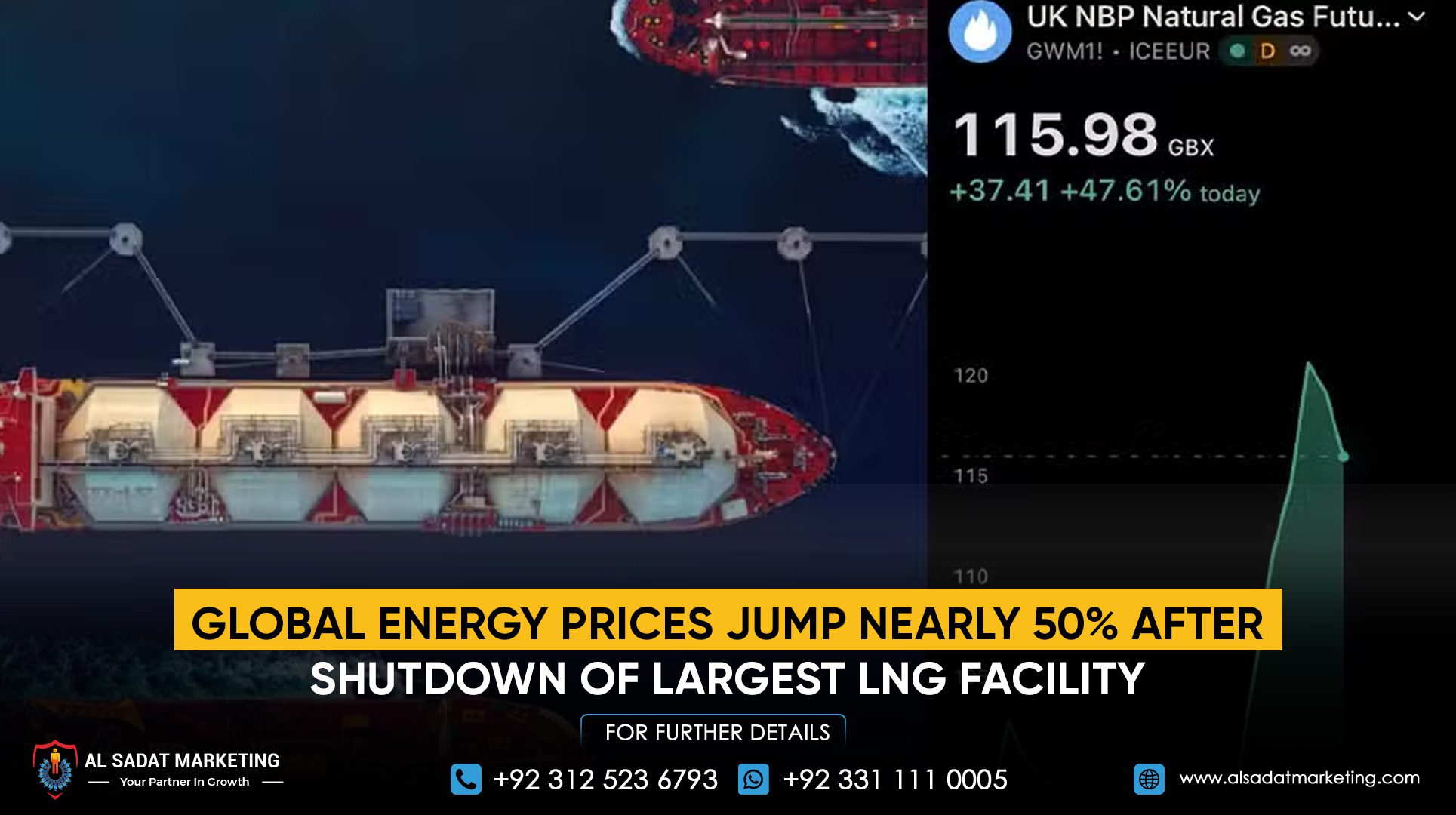
European natural gas prices have jumped nearly 50 percent after QatarEnergy halted production at the world’s largest LNG facility amid rising regional tensions.
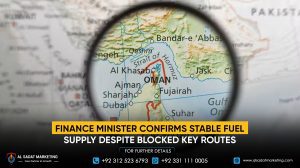
The suspension followed Iranian airstrikes on a US military base in the region. Around the same time, Saudi Arabia announced the temporary closure of one of its major oil facilities due to security concerns.

Energy analysts say the market reaction reflects a sudden repricing of LNG supply risk. If the halt in Qatari production extends beyond a short pause, volatility is likely to continue across global gas markets, especially for countries dependent on spot LNG cargoes.
According to marine tracking platform MarineTraffic, shipping activity in the region has dropped sharply over the past 24 hours, signaling wider disruptions in energy logistics.
Experts warn that Asian buyers such as Pakistan could face challenges in securing scheduled LNG cargoes if supply interruptions persist. European countries, however, may be better positioned in the short term due to diversified supply options.
The European Union currently receives nearly 60 percent of its LNG imports from the United States, providing a potential buffer. Additional suppliers such as Algeria and Azerbaijan also have storage capacity that could help stabilize the market.
Analysts say that if Qatar’s LNG suspension lasts for a month, the situation may remain tight but manageable, particularly if seasonal demand eases in March 2026. Rerouted shipments from Norway and the US, combined with demand adjustments, could help cover the gap. However, such shifts would likely push prices higher and increase pressure on global energy markets.
Any prolonged disruption in LNG supply could have broader economic implications, affecting electricity costs, industrial production, and inflation worldwide.