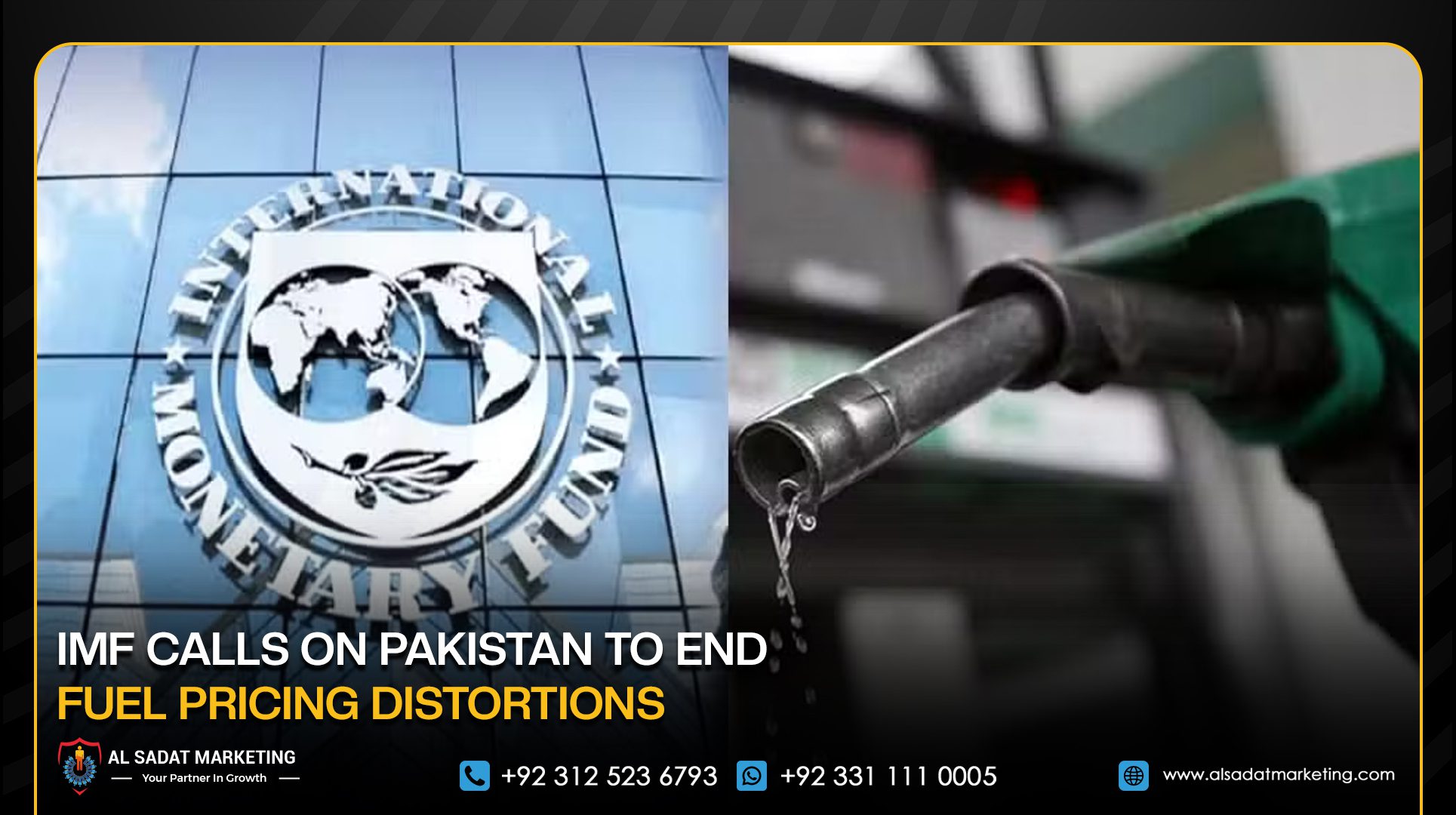
The International Monetary Fund has urged the Government of Pakistan to remove distortions in petroleum pricing, even as it acknowledged the government’s temporary subsidy measures introduced to shield consumers from rising global oil prices.
According to reports, the IMF has accepted a subsidy cap of Rs. 152 billion, which was implemented with prior consultation. However, the Fund continues to oppose broad-based subsidies and is pushing Pakistan to transition toward targeted support for vulnerable segments.

Finance Minister Muhammad Aurangzeb is expected to brief IMF officials on provincial contributions to the subsidy framework during upcoming spring meetings of the IMF and World Bank.
The IMF has raised particular concerns over diesel pricing. Pakistan reduced the petroleum development levy (PDL) on diesel to zero, significantly below the Rs. 80 per litre target outlined in the federal budget. While higher levies on petrol have helped offset some of the revenue gap, the margin narrowed after recent price adjustments.
Current consumption trends show petrol usage at around 660,000 tonnes per day, slightly higher than diesel at 600,000 tonnes. However, diesel demand is expected to rise during the harvest season, which could further strain fiscal resources.
Officials said the government initially tried to manage fiscal pressure by adjusting levies between petrol and diesel but is now moving toward a targeted subsidy model, partly supported by provincial contributions.
Despite these challenges, authorities maintain that key macroeconomic indicators remain broadly aligned with IMF programme targets. However, significant fiscal adjustments are expected in the 2026–27 budget cycle.
Petroleum price differential claims have already exceeded Rs. 129 billion, though they have stabilized following recent price adjustments. Payments are being made with a 10 percent retention for audit verification.
Meanwhile, the balance-of-payments position remains under pressure. Talks on resuming diesel imports from Kuwait have progressed, but shipments have not yet started, even after limited easing of shipping routes through the Strait of Hormuz.
The Oil and Gas Regulatory Authority has also introduced a mechanism to manage price differential claims, including withholding 10 percent of payments for verification with the Federal Board of Revenue and conducting monthly third-party audits through PricewaterhouseCoopers.