
After a year focused largely on smarter software, 2026 is shaping up to be a turning point for hardware innovation in consumer technology. Industry experts say the coming year could introduce changes powerful enough to make many of today’s smartphones feel outdated.
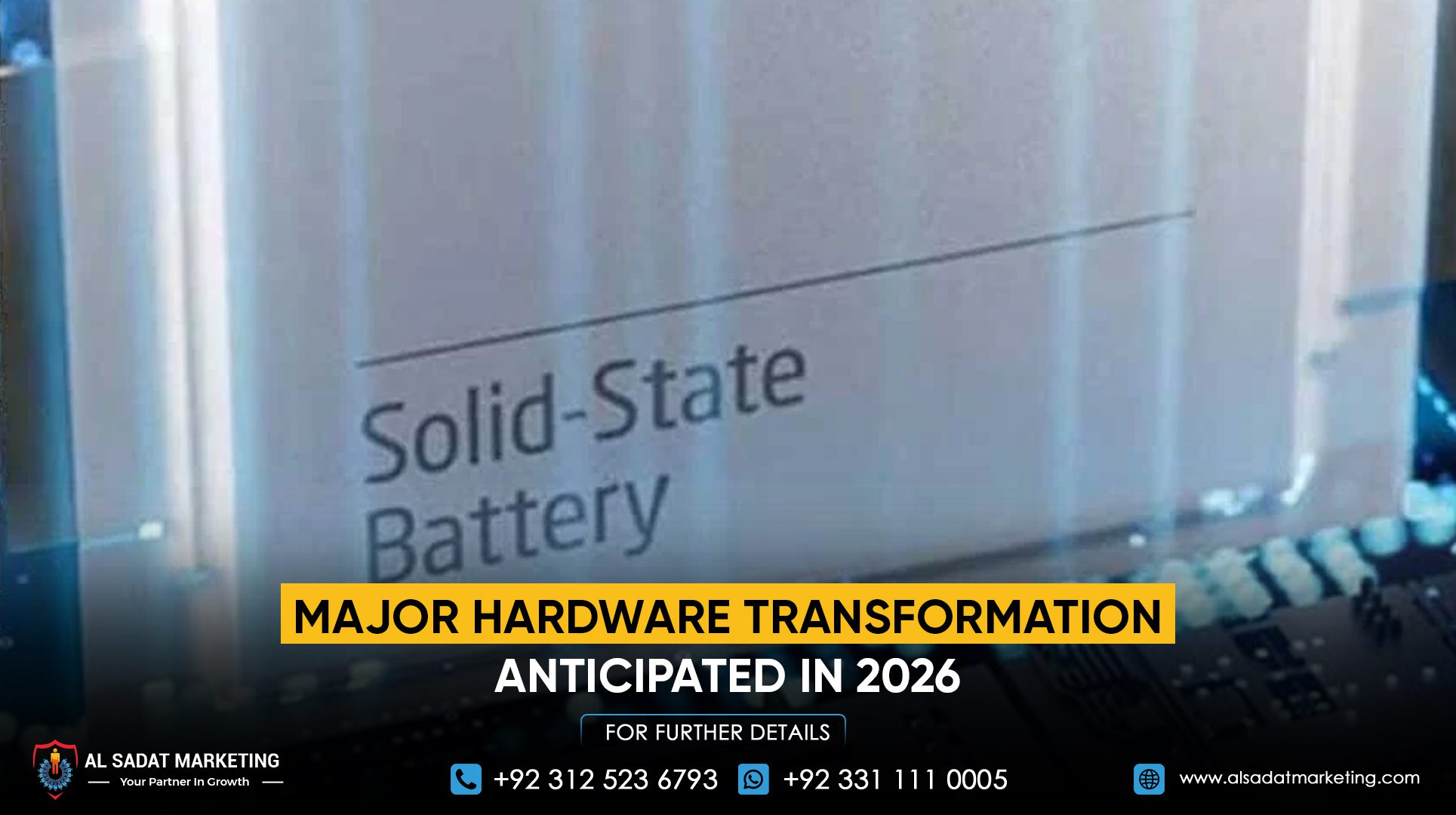
One of the biggest developments is the move towards solid-state battery systems. These batteries replace liquid electrolytes with solid materials, allowing devices to store up to 30 per cent more energy in less space. Beyond higher capacity, safety is a major advantage. Solid-state designs greatly reduce the risk of fire and perform better under impact, pressure, and extreme temperatures. Manufacturers are also aiming for ultra-fast charging, with full battery charges expected in under eight minutes, a shift that could remove one of the biggest frustrations for mobile users.

Artificial intelligence is also evolving, moving away from simple voice commands toward more independent digital assistants. Known as agentic AI, these systems are designed to perform tasks on their own, such as booking travel, managing schedules, and handling multiple apps at once. By observing on-screen activity in real time, the assistant understands user intent and offers help before being asked. Many of these advanced features are expected to run directly on the device, improving privacy and delivering faster responses without relying heavily on internet connectivity.
Also Read: The Golden Opportunity: Investing in Tourism-Based Commercial Property Near Khanpur Dam
Display technology is another area seeing major progress. Holographic and Micro-LED displays are expected to enter high-end devices, introducing three-dimensional visual elements. Notifications may soon appear as floating images just above the screen surface, created through advanced light-field lenses. Micro-LED panels are also far brighter than current displays, reaching up to 5,000 nits, making screens easy to read even in direct sunlight. Unlike OLED screens, this technology resists burn-in and is designed to maintain image quality for more than a decade.
Connectivity is also set to expand beyond traditional networks. Smartphones are expected to shift toward satellite-first communication, allowing seamless switching to satellite-based 5G in remote areas such as mountains, deserts, and oceans. This change promises global high-speed access without the need for multiple SIM cards or expensive roaming plans. At the same time, early trials of 6G technology are beginning in premium devices, with speeds expected to far exceed current 5G performance.
Another emerging trend is self-healing nanotechnology in device materials. Screens and back panels may soon use special polymers capable of repairing minor scratches within minutes when exposed to normal heat. These materials are designed to absorb shock during drops, potentially reducing serious screen damage by up to 80 per cent. Improved surface coatings are also being developed to permanently resist fingerprints and skin oils, keeping devices cleaner for longer.
Together, these changes suggest that 2026 will be defined not just by smarter software but by a major leap in hardware capabilities. As batteries, displays, connectivity, and materials all advance at once, consumer technology appears ready for a new phase where physical innovation once again leads the industry forward.