
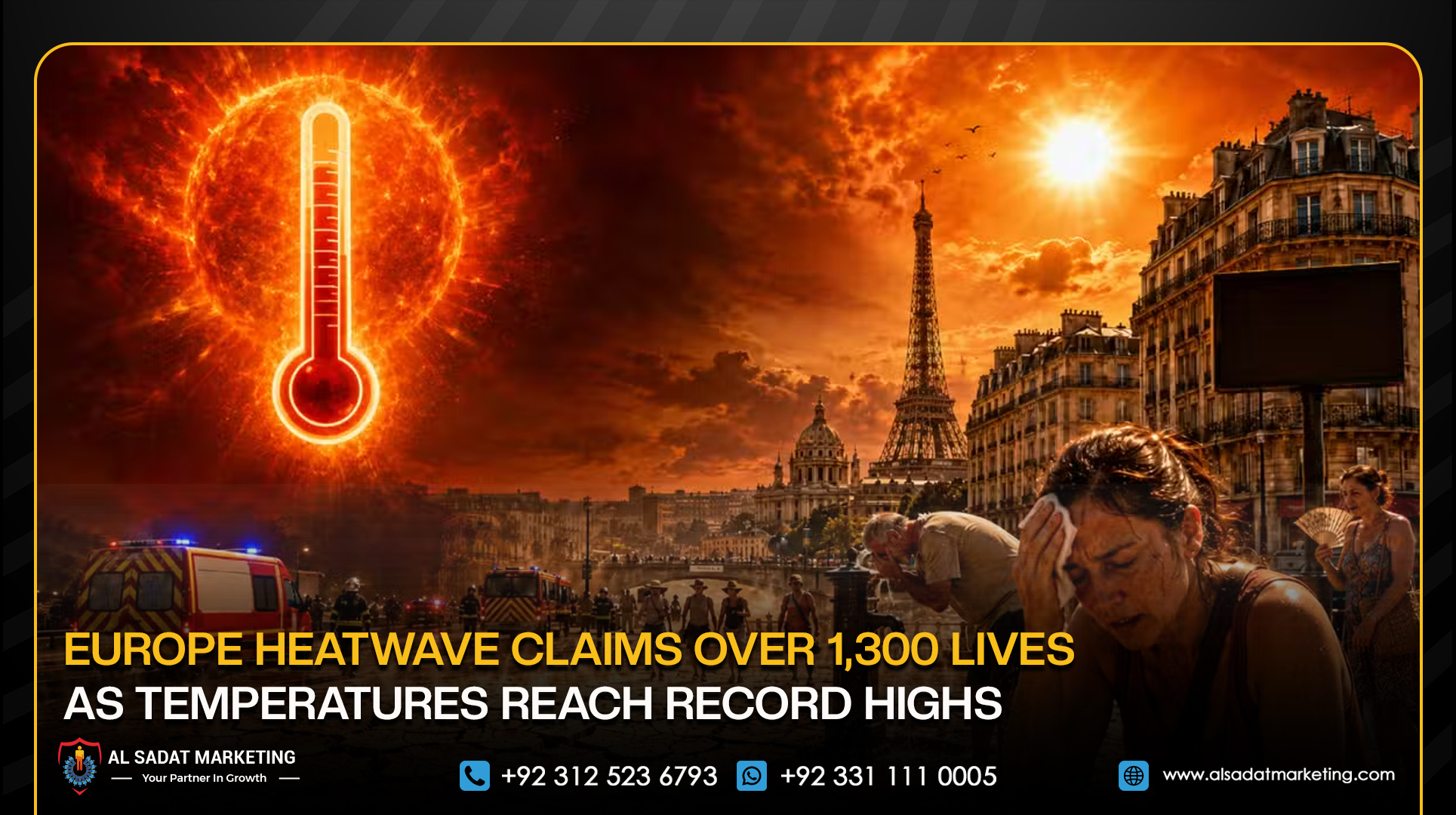
Europe’s ongoing early-summer heatwave may have contributed to more than 1,300 excess deaths since June 21, according to the World Health Organization (WHO).
WHO Director-General Tedros Adhanom Ghebreyesus said the unusually high temperatures sweeping across Europe have become a serious public health concern, describing extreme heat as a “silent killer” that often claims lives without widespread attention.
The heatwave continued moving east on Sunday, with several countries recording new national temperature records as exceptionally hot conditions persisted across the continent.
France Reports Surge in Excess Deaths
France’s Ministry of Health reported approximately 1,000 excess deaths since Wednesday, with the majority occurring among people aged 65 and older.
Health officials also noted a 40 percent increase in the number of people dying at home during the extreme weather.
Authorities clarified that excess mortality figures do not indicate that every death was directly caused by heatstroke. Instead, they compare the total number of deaths during a specific period with the average expected under normal conditions.
Germany Records 41.7°C
Germany registered its highest temperature on record for the third consecutive day, reflecting the intensity of the ongoing heatwave.
According to preliminary weather data, temperatures reached 41.7°C in Coschen, near the Polish border in Brandenburg, on Sunday afternoon.
The reading marked another milestone in what meteorologists have described as an unprecedented period of extreme heat across Central Europe.
Czech Republic and Poland Also Set New Records
The Czech Republic also experienced record-breaking temperatures, with the Czech Hydrometeorological Institute recording 41.1°C in Doksany, north of Prague.
Officials said it was the country’s second consecutive day of record temperatures and forecast that the heat would peak before thunderstorms moved into western regions later in the day.
Meanwhile, Poland registered its highest temperature on record after thermometers reached 40.5°C in the town of Słubice, according to the country’s Institute of Meteorology and Water Management.
Heatwave Disrupts Daily Life
The WHO said millions of people across Europe are currently living under extreme heat conditions.
Tedros noted that hundreds of heat-related deaths have been reported, while schools have been forced to close in some areas and electricity grids are facing increased pressure due to soaring demand for air conditioning and cooling systems.
He also pointed out that many homes, schools, hospitals, and workplaces across Europe were not designed to withstand prolonged periods of extreme heat, increasing health risks for vulnerable populations.
WHO Warns Climate Change Is Intensifying Heatwaves
The WHO chief linked the current heatwave to climate change, warning that Europe is warming at twice the global average rate, making it the fastest-warming continent in the world.
He said heatwaves that were once considered rare are now occurring almost every year, with global warming increasing both the frequency and intensity of extreme weather events.
Tedros urged governments across Europe to strengthen heat-health action plans, including expanding early-warning systems, establishing cooling centres, adjusting school and work schedules during extreme temperatures, improving emergency healthcare services, and providing additional support for elderly and vulnerable residents.
The WHO has called on governments to recognize extreme heat as a long-term public health challenge rather than a temporary weather event. Health authorities continue to monitor mortality data, and officials say the final death toll from the current heatwave could increase as more information becomes available.