
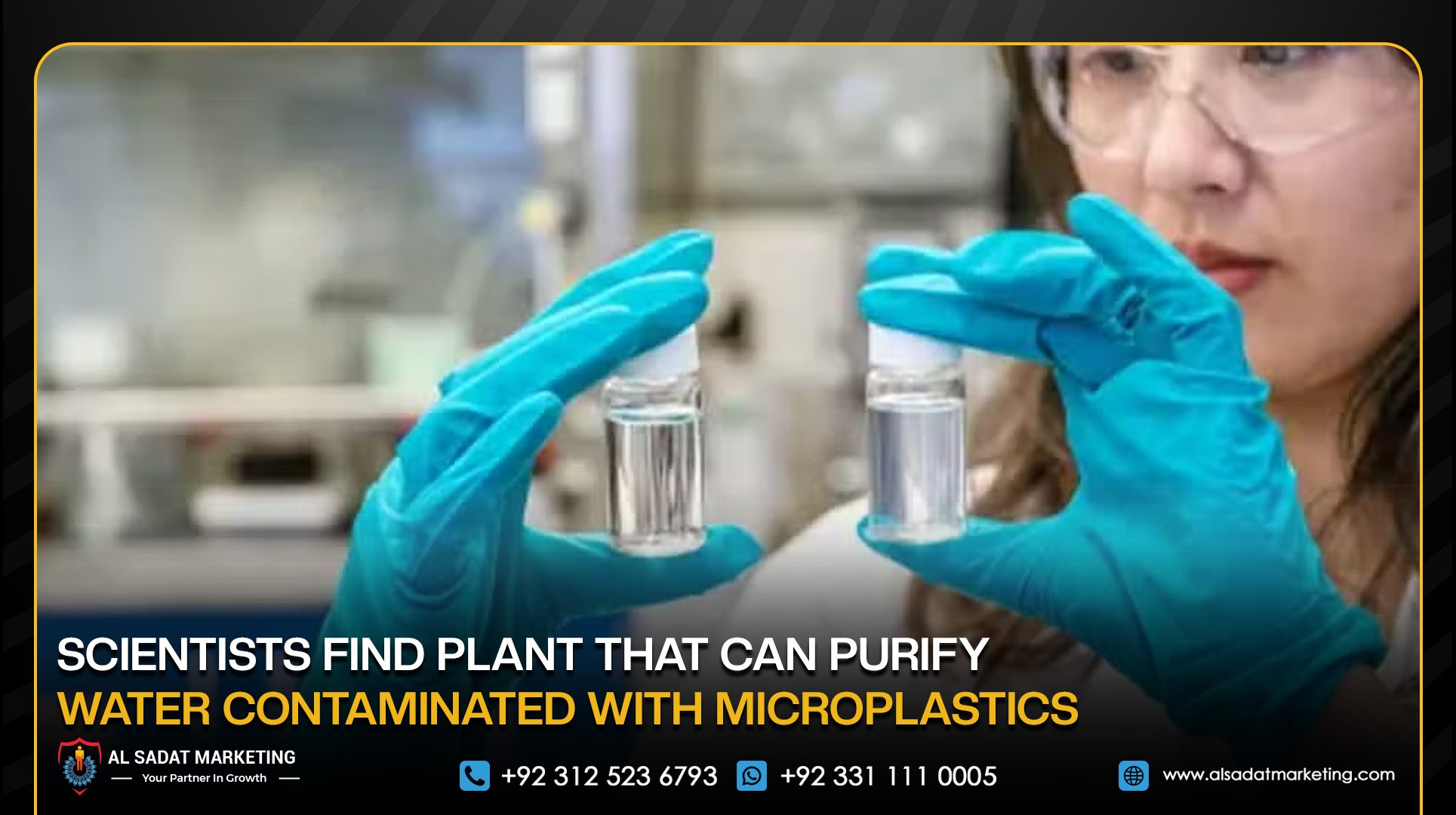
Scientists have identified a widely available tropical plant that could provide an affordable and environmentally friendly way to remove microplastics from drinking water.
Researchers from São Paulo State University in Brazil have discovered that seeds from Moringa oleifera, commonly known as moringa, can efficiently trap and remove microscopic plastic particles from water. The study, published in ACS Omega, highlights a natural alternative to conventional chemical-based water treatment methods.
Microplastics, which originate from plastic waste, synthetic fabrics, and packaging materials, are now found in water sources across the world. These tiny particles have raised growing health concerns due to their persistence in the environment and potential risks when consumed. Traditional water treatment systems typically use chemical coagulants such as aluminum sulfate to remove suspended particles, but these can leave behind residues and raise environmental concerns.
The new research shows that a saline extract derived from moringa seeds can neutralize the electrical charge that keeps microplastic particles suspended in water. Once neutralized, the particles cluster together into larger masses that can be easily filtered out.
In laboratory tests, the moringa-based solution performed on par with aluminum sulfate and even showed better results in more alkaline water conditions. Researchers noted that the method is simple, low-cost, and could be particularly useful in rural or resource-limited areas where advanced water treatment systems are not available.
To evaluate its effectiveness, scientists introduced polyvinyl chloride (PVC) microplastics into tap water and artificially aged them using ultraviolet light to simulate real-world conditions. The treated samples were then filtered using systems that mimic standard water purification processes. Results showed a significant reduction in microplastic concentration after treatment with moringa extract.
Unlike synthetic coagulants, moringa is biodegradable and already consumed as food in many tropical regions, making it a safer and more sustainable alternative. Researchers believe this could reduce reliance on chemical additives in water treatment and support cleaner, greener purification methods.
The research team is now extending tests to natural river water to evaluate performance in real environmental conditions. Early findings suggest the plant-based method remains effective outside controlled laboratory settings.
If further validated, moringa-based purification could become a practical tool in addressing global water contamination challenges, especially in regions where cost-effective solutions are urgently needed.