Pakistan’s liquefied petroleum gas (LPG) industry has given the government a three-day deadline to address key concerns over pricing, security, and regulatory policies, warning that it will launch a nationwide shutdown if no action is taken.
The warning came during the All Pakistan LPG Industry Conference held in Lahore, where more than 1,000 stakeholders, including importers, marketing companies, distributors, transporters, and plant owners, discussed the challenges facing the sector.
Participants criticized the Oil and Gas Regulatory Authority (OGRA), alleging that its LPG price notifications are based only on locally produced LPG while ignoring the higher costs of imported LPG, transportation expenses, and prevailing market conditions. They also urged authorities to crack down on the manufacturing and sale of substandard LPG cylinders, describing them as a major public safety concern.
Industry representatives further objected to what they called outdated freight rates and inadequate dealer margins. Transporters argued that OGRA continues to calculate freight charges using local rates despite imported LPG being transported from locations up to 3,300 kilometers away, particularly from Iran.
The conference also highlighted security concerns in Balochistan, where LPG transporters said repeated attacks and law and order issues have caused financial losses estimated at Rs. 1.5 billion. They further claimed that regulatory authorities frequently conduct raids and seal LPG plants without fully understanding industry operations.
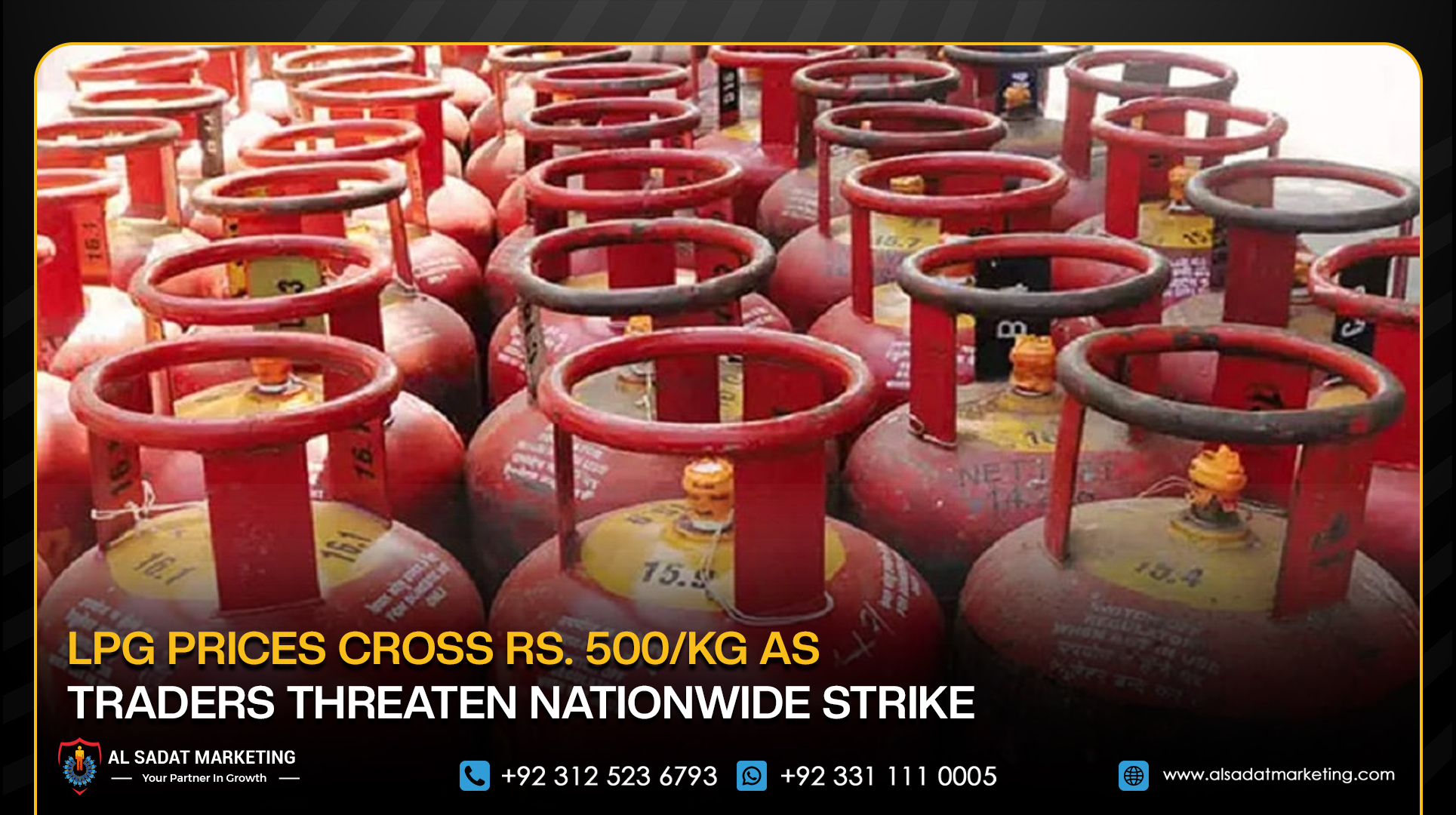
Stakeholders noted that more than 450 companies are currently involved in LPG imports but continue to face regulatory hurdles that affect supply and pricing. They also linked the deteriorating security situation in Balochistan to the recent surge in LPG prices, claiming retail rates have exceeded Rs. 500 per kilogram despite estimates that prices could remain around Rs. 250 per kilogram under normal conditions.
At the end of the conference, participants unanimously approved a Charter of Demands and established an Industry Coordination Committee to engage with the government.
Industry leaders warned that if their demands are not addressed within three days, LPG plants, transport operations, and retail outlets across the country will suspend operations, with traders also planning nationwide protests.