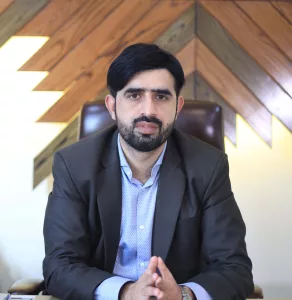

ISLAMABAD: Pakistan’s banking sector has approved more than Rs400 billion in affordable housing finance, but only about Rs76 billion, or 19 percent, has reached first-time homebuyers, Finance Minister Muhammad Aurangzeb said.
Speaking virtually at the 10th annual microfinance conference organised by the Pakistan Microfinance Network on October 7, Aurangzeb said expanding access to financial services remains an important government priority, particularly for housing, agriculture and small businesses.
The finance minister highlighted the gap between approved housing finance and funds actually reaching first-time buyers. The figures indicate that increasing loan approvals alone may not be sufficient to expand homeownership unless financing is effectively disbursed to eligible borrowers.

Aurangzeb said the government is seeking greater cooperation between commercial banks and microfinance institutions to improve access to affordable housing finance. He also called for wider use of digital lending systems and improved credit assessment methods.
According to the minister, lending decisions should increasingly consider a borrower’s repayment capacity, income patterns and affordability instead of depending primarily on conventional collateral requirements. Such approaches could help bring more people into the formal financial system.
The government is also focusing on broader financial inclusion. Aurangzeb said around Rs6 billion had been approved under a digital, collateral-free financing programme for small farmers, while more than Rs2 billion had been disbursed during the previous seven to eight months.
He also stressed the need to measure financial programmes by their economic and social outcomes rather than loan volumes alone. Increasing the number of first-time borrowers and improving access to finance for smaller businesses and households were identified as important objectives.

Aurangzeb further said the government wants to strengthen private-sector participation and expand the use of digital technologies across the financial sector. He pointed to artificial intelligence, blockchain and other emerging technologies as areas requiring greater preparedness.
For Pakistan’s housing market, the difference between approved and disbursed financing remains an important issue. Expanding actual access to home loans will depend on eligibility requirements, lending processes, affordability and the ability of financial institutions to reach potential first-time buyers.
The government’s focus on digital finance and broader lender participation could help address some of these barriers, but the impact will depend on how effectively these measures translate into completed housing loans for eligible households.